Empowering
Learners with
Skills That Last.
Our learning programmes are designed to equip individuals of every age with practical, career-focused skills through engaging activities, real-world projects, and structured guidance. We nurture creativity, critical thinking, communication, and technical expertise, helping learners build the confidence and capabilities needed to succeed in an ever-evolving world.
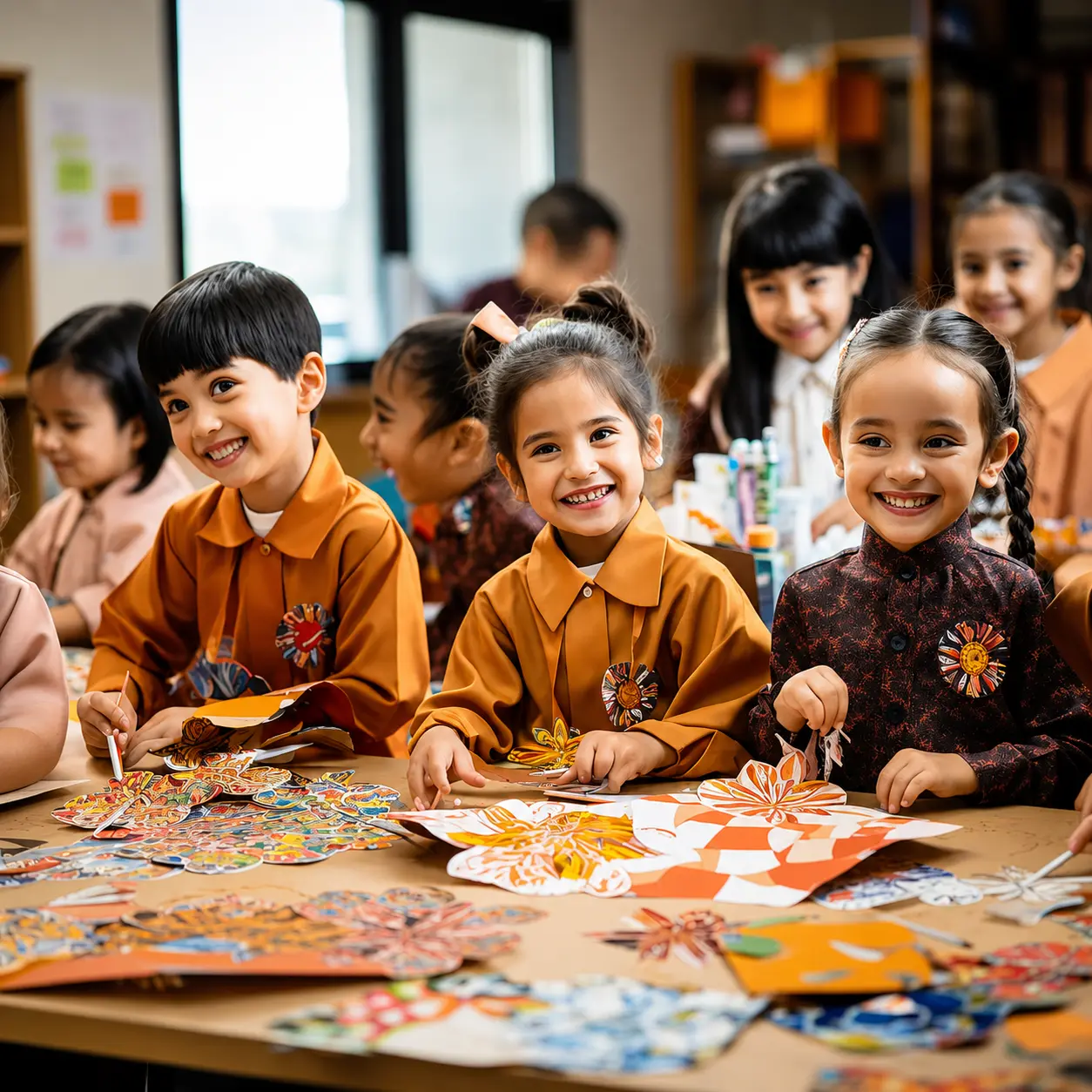


Learn Beyond the Classroom, Grow Beyond Expectations
Every child learns differently. Our after-school skill development programmes combine creativity, confidence building, communication, critical thinking, and practical learning through exciting activities designed for curious young minds.
 Creative Learning
 Critical Thinking
 Team Activities
 Future Skills

Fun Learning
Interactive Activities
Confidence
Build Every Day
Life Skills
Ready for Tomorrow
Explore Our Skill Development Courses
Fun, engaging and future-ready courses for children aged 4–16 years.

Abacus
Improve concentration, speed calculation and confidence.

Robotics
Kids build exciting robots and develop logical thinking skills.

Language
Enhance speaking, writing and confidence in various languages.

Handwriting
Improve writing speed, style and presentation skills effectively.

Self Growth
Develop discipline and leadership for future success.

Chess
Train focus, planning and smart decision-making techniques.

Drawing & Painting
Encourage artistic expression through sketching and painting.

Public Speaking
Build strong presentation and communication skills.

Confidence Building
Help students overcome fear and express themselves boldly.

Vedic Mathematics
Learn shortcut methods for fast and accurate calculations.

Coding for Kids
Teach kids app development, logic building and creativity.

Art Class for Teens
Explore modern art techniques and creative design concepts.

Beginner Level – Junior KG & Senior KG
- Chapter 1.1: Introduction to Abacus & Bead Recognition
- Chapter 1.2: Number Representation
- Chapter 1.3: Basic Addition & Subtraction
This foundational stage introduces your child to the abacus, bead positioning, and basic number concepts.
Intermediate Level – Runners (1–5) & Sprinters (1–4)
- Chapter 2.1: Advanced Addition & Subtraction
- Chapter 2.2: Speed Writing & Accuracy Practice
- Chapter 2.3: Multi-Digit Calculations
- Chapter 2.4: Introduction to Mental Abacus
Advanced Level – Grand & Advanced
- Chapter 3.1: High-Speed Multi-Digit Operations
- Chapter 3.2: Complex Problem Solving
- Chapter 3.3: Accuracy & Speed Mastery Techniques
Mental Maths / Oral Maths
- Chapter 4.1: Visualisation Techniques
- Chapter 4.2: Rapid Recall Exercises
- Chapter 4.3: Flash & Oral Calculation Drills

Introduction to Robotics
- Chapter 1.1: what is robotics?
- Chapter 1.2: understanding basic components
- Chapter 1.3: Safety and handling of tools
This foundational module introduces children to the world of robotics and how robots combine science, engineering, and technology to perform tasks. Students explore components like sensors, motors, and controllers, and understand how these parts work together.
Basics of coding
- Chapter 2.1: Introduction to block-based coding
- Chapter 2.2: Simple commands and logic
- Chapter 2.3: Sequencing and control structures
- Chapter 2.4: Mental Abacus
Students learn block-based coding, simple commands, and logic. This module helps them understand sequencing and control structures, enabling them to create basic programs that control robot actions in a clear and structured way.
Sensors and Motors
- Chapter 3.1: understanding input and output devices
- Chapter 3.2: Working with sensors
- Chapter 3.3: Motor control basics
This module teaches how robots interact with their environment using sensors and motors. Students understand input and output systems and learn how robots move and respond to external conditions through practical activities.
Simple Machine Concepts
- Chapter 4.1: Gears and motion
- Chapter 4.2: Levers and mechanical advantage
- Chapter 4.3: Movement and stability in robots
Students explore mechanical concepts like gears, levers, and motion. This module helps them understand how mechanical design impacts robot movement, strength, and stability, improving their ability to build efficient models.
Project Building & Testing
- Chapter 5.1: Designing robotic models
- Chapter 5.2: Debugging and troubleshooting
- Chapter 5.3: Testing performance and improvements
In this hands-on module, students design, build, test, and improve robotic models. They learn debugging and problem-solving skills while refining their projects through continuous testing and performance evaluation.
Final Demonstration & Presentation
- Chapter 6.1: Showcasing Projects
- Chapter 6.2: Explaining working models
- Chapter 6.3: Confidence building presentations
Students present their completed robotic projects and explain how they work. This module builds confidence, communication skills, and the ability to showcase ideas clearly through structured presentations and demonstrations.
Enquire Now
Beginner Level – Foundation Communication
- Chapter 1.1: Alphabet & Pronunciation Basics
- Chapter 1.2: Word Formation & Vocabulary Building
- Chapter 1.3: Simple Sentence Construction
This stage helps children build basic vocabulary, correct pronunciation, and confidence in speaking simple sentences.
Intermediate Level – Communication Development
- Chapter 2.1: Grammar Essentials (Tenses, Articles, Prepositions)
- Chapter 2.2: Reading Comprehension Practice
- Chapter 2.3: Conversation Practice & Role Play
- Chapter 2.4: Listening Skills Development
Students improve sentence structure, reading ability, and everyday communication skills through interactive practice.
Advanced Level – Fluency & Expression
- Chapter 3.1: Public Speaking Basics
- Chapter 3.2: Storytelling & Presentation Skills
- Chapter 3.3: Debate & Group Discussion Practice
- Chapter 3.4: Creative Writing Skills
This level focuses on fluency, confidence, and expressive communication in real-world situations.
Enquire Now
Beginner Level – Writing Communication
- Chapter 1.1: Pencil Grip & Posture Correction
- Chapter 1.2: Stroke Formation (Lines, Curves, Shapes)
- Chapter 1.3: Alphabet Writing (A–Z Capital & Small Letters)
This stage helps children develop correct writing habits, proper hand posture, and neat letter formation from the beginning.
Intermediate Level – Neatness & Speed Development
- Chapter 2.1: Word Formation Practice
- Chapter 2.2: Sentence Writing with Spacing
- Chapter 2.3: Line Alignment & Margin Discipline
- Chapter 2.4: Speed Writing Practice
Students improve handwriting clarity, spacing, and writing speed with structured daily exercises.
Advanced Level – Calligraphy & Presentation Skills
- Chapter 3.1: Cursive Writing Techniques
- Chapter 3.2: Paragraph Writing & Formatting
- Chapter 3.3: Creative Writing Presentation
- Chapter 3.4: Exam Writing Skills & Speed Mastery
This level focuses on beautiful handwriting style, presentation quality, and exam-ready writing speed.
Enquire Now
Beginner Level – Self Awareness & Habits
- Chapter 1.1: Introduction to Good Habits & Discipline
- Chapter 1.2: Personal Hygiene & Daily Routine Building
- Chapter 1.3: Respect, Manners & Social Behavior
This stage helps children build strong daily habits, understand discipline, and develop respectful behavior in school and home environments.
Intermediate Level – Confidence & Communication
- Chapter 2.1: Body Language & Eye Contact Training
- Chapter 2.2: Group Activities & Team Participation
- Chapter 2.3: Basic Communication Skills
- Chapter 2.4: Emotional Understanding & Expression
Students learn how to express themselves confidently, interact with others, and participate actively in group settings.
Advanced Level – Leadership & Personality Growth
- Chapter 3.1: Leadership Skills Development
- Chapter 3.2: Decision Making & Problem Solving
- Chapter 3.3: Public Interaction & Social Confidence
- Chapter 3.4: Positive Thinking & Goal Setting
This level focuses on building strong personality traits, leadership qualities, and a confident mindset for future success.
Enquire Now
Beginner Level – Chess Fundamentals
- Chapter 1.1: Introduction to Chess Board & Pieces
- Chapter 1.2: Movement Rules of Each Piece
- Chapter 1.3: Basic Check, Checkmate & Draw Concepts
This stage introduces children to chess basics, piece movements, and fundamental game rules in a simple and engaging way.
Intermediate Level – Strategy Building
- Chapter 2.1: Opening Principles & Common Openings
- Chapter 2.2: Tactical Patterns (Fork, Pin, Skewer)
- Chapter 2.3: Defensive Techniques & Piece Coordination
- Chapter 2.4: Mini Game Practice Sessions
Students develop strategic thinking, planning skills, and learn how to control the board through smart moves.
Advanced Level – Competitive Mastery
- Chapter 3.1: Advanced Openings & Game Strategies
- Chapter 3.2: Endgame Techniques & Checkmate Patterns
- Chapter 3.3: Time-Based Competitive Play
- Chapter 3.4: Tournament Preparation & Analysis
This level focuses on advanced tactics, competitive gameplay, and building strong decision-making under pressure.
Enquire Now
Beginner Level – Art Foundation
- Chapter 1.1: Basic Shapes & Lines Drawing
- Chapter 1.2: Colour Recognition & Mixing Basics
- Chapter 1.3: Simple Object Drawing (Fruits, Animals, Objects)
This stage introduces children to basic drawing skills, colour understanding, and creative expression using simple objects.
Intermediate Level – Creative Skills Development
- Chapter 2.1: Nature Drawing (Trees, Flowers, Landscapes)
- Chapter 2.2: Watercolour & Crayon Techniques
- Chapter 2.3: Shading & Texture Basics
- Chapter 2.4: Imagination-Based Drawing Exercises
Students improve creativity, colouring techniques, and learn how to express ideas through art.
Advanced Level – Artistic Mastery
- Chapter 3.1: Portrait Drawing Basics
- Chapter 3.2: Perspective & Composition Techniques
- Chapter 3.3: Poster & Creative Design Making
- Chapter 3.4: Art Competition Preparation
This level focuses on advanced artistic skills, creative design thinking, and preparing students for competitions and exhibitions.
Enquire Now
Beginner Level – Communication Basics
- Chapter 1.1: Introduction to Speaking Skills
- Chapter 1.2: Voice Control & Pronunciation Practice
- Chapter 1.3: Simple Sentence Speaking & Self Introduction
This stage helps children overcome fear of speaking and builds basic communication confidence in front of others.
Intermediate Level – Confidence Building
- Chapter 2.1: Storytelling Techniques
- Chapter 2.2: Group Discussion & Interaction Practice
- Chapter 2.3: Body Language & Gesture Training
- Chapter 2.4: Speech Practice on Simple Topics
Students learn to express ideas clearly, improve confidence, and communicate effectively in group settings.
Advanced Level – Stage Performance & Leadership
- Chapter 3.1: Formal Speech Writing & Delivery
- Chapter 3.2: Debate & Public Debate Practice
- Chapter 3.3: Stage Presentation Skills
- Chapter 3.4: Competition & Event Preparation
This level focuses on advanced speaking skills, leadership communication, and performing confidently on stage in real-life situations.
Enquire Now
Beginner Level – Self Awareness & Positive Thinking
- Chapter 1.1: Understanding Self-Esteem
- Chapter 1.2: Positive Thinking & Affirmations
- Chapter 1.3: Overcoming Fear & Shyness
This stage helps children understand their strengths, build a positive mindset, and reduce fear in daily situations.
Intermediate Level – Expression & Social Confidence
- Chapter 2.1: Speaking Without Fear in Groups
- Chapter 2.2: Improving Body Language & Posture
- Chapter 2.3: Making Friends & Social Interaction Skills
- Chapter 2.4: Handling Failure Positively
Students learn to express themselves confidently, interact comfortably with others, and handle real-life social situations.
Advanced Level – Strong Personality Development
- Chapter 3.1: Decision Making with Confidence
- Chapter 3.2: Leadership in Group Activities
- Chapter 3.3: Public Expression & Stage Confidence
- Chapter 3.4: Goal Setting & Self Motivation Techniques
This level focuses on building a strong personality, leadership mindset, and fearless self-expression in any environment.
Enquire Now
Beginner Level – Number Basics & Introduction
- Chapter 1.1: Introduction to Vedic Maths Principles
- Chapter 1.2: Fast Addition & Subtraction Tricks
- Chapter 1.3: Multiplication Basics Using Shortcuts
This stage introduces children to ancient Vedic techniques that make basic calculations faster and more interesting.
Intermediate Level – Speed Calculation Techniques
- Chapter 2.1: Multiplication Shortcuts (2-digit & 3-digit numbers)
- Chapter 2.2: Division Tricks & Easy Methods
- Chapter 2.3: Squares & Cube Basics
- Chapter 2.4: Mental Calculation Practice Sessions
Students develop speed, accuracy, and confidence in solving math problems without depending heavily on written steps.
Advanced Level – Mastery & Competitive Maths
- Chapter 3.1: Complex Multiplication Techniques
- Chapter 3.2: Rapid Problem Solving Strategies
- Chapter 3.3: Mental Arithmetic Challenges
- Chapter 3.4: Competitive Exam Preparation Techniques
This level focuses on mastering fast calculation skills, improving mental agility, and excelling in competitive environments.
Enquire Now
Beginner Level – Programming Basics
- Chapter 1.1: Introduction to Coding & Computational Thinking
- Chapter 1.2: Scratch Programming Basics (Drag & Drop Coding)
- Chapter 1.3: Simple Animations & Interactive Stories
This stage introduces children to coding concepts in a fun, visual way using block-based programming tools.
Intermediate Level – Logic Building & Game Creation
- Chapter 2.1: Game Development Basics (Scratch / Block Coding)
- Chapter 2.2: Conditions, Loops & Logic Understanding
- Chapter 2.3: Interactive Quiz & Story Games Creation
- Chapter 2.4: Problem-Solving Through Coding Challenges
Students start building logic, creativity, and develop their own simple games and interactive projects.
Advanced Level – Real-World Coding Introduction
- Chapter 3.1: Introduction to Python (Basics for Kids)
- Chapter 3.2: Simple Programs & Problem Solving
- Chapter 3.3: App Idea Development & Planning
- Chapter 3.4: Mini Project Development & Presentation
This level prepares students for real programming concepts, logical thinking, and future-ready coding skills.
Enquire Now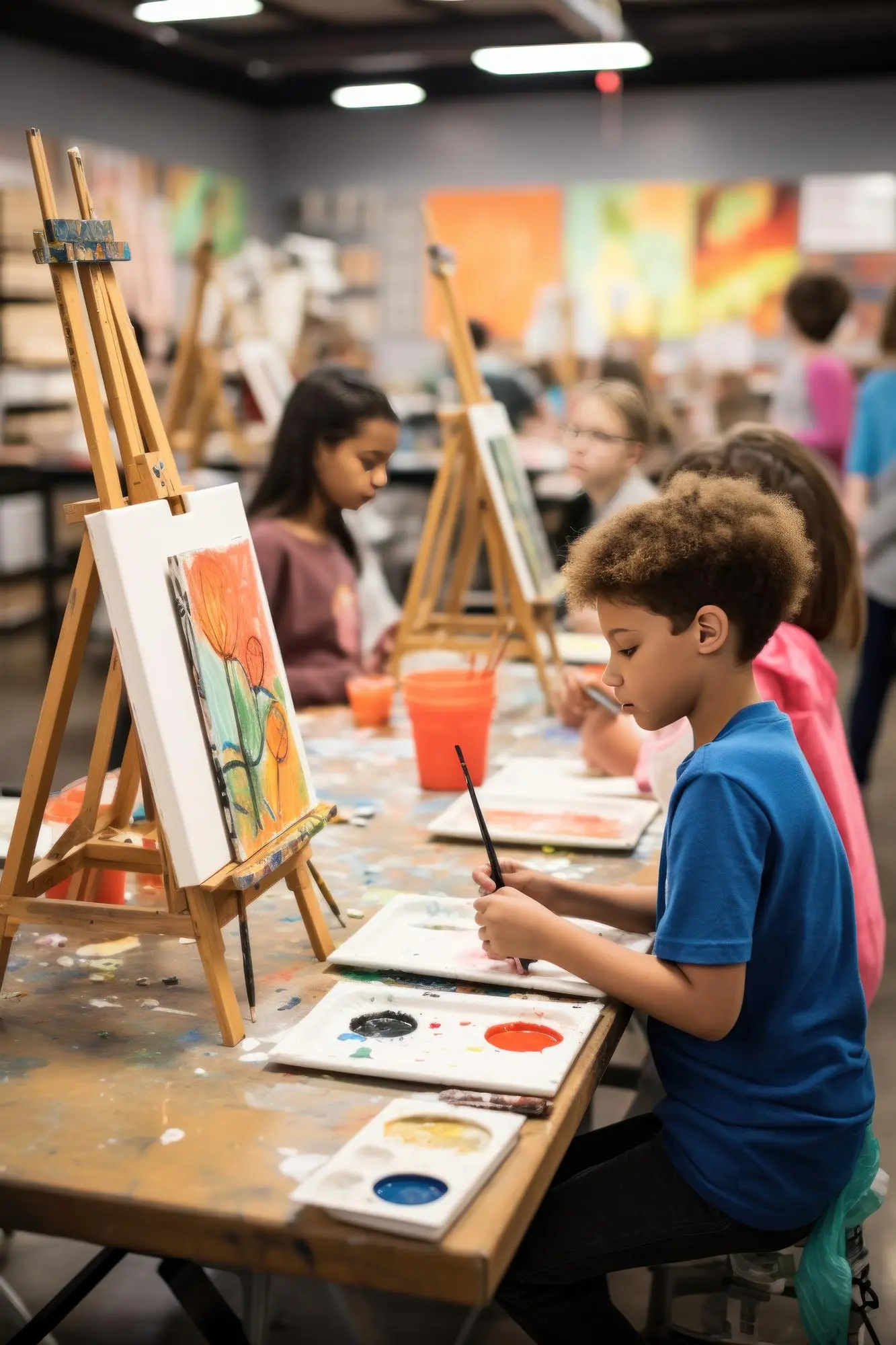
Beginner Level – Art Fundamentals for Teens
- Chapter 1.1: Sketching Basics & Drawing Techniques
- Chapter 1.2: Understanding Light, Shade & Form
- Chapter 1.3: Colour Theory & Creative Experimentation
This stage helps teens refine their drawing fundamentals and understand deeper artistic concepts with more detail and precision.
Intermediate Level – Creative Expression & Design Skills
- Chapter 2.1: Portrait & Human Figure Drawing Basics
- Chapter 2.2: Perspective Drawing (1-point & 2-point)
- Chapter 2.3: Digital Art & Modern Design Introduction
- Chapter 2.4: Creative Illustration Projects
Students enhance creativity, explore modern art styles, and begin developing their personal artistic expression.
Advanced Level – Professional Art Development
- Chapter 3.1: Portfolio Building & Presentation Skills
- Chapter 3.2: Advanced Illustration Techniques
- Chapter 3.3: Poster Design & Visual Communication
- Chapter 3.4: Art Exhibitions & Competition Preparation
This level focuses on preparing teens for professional-level art skills, exhibitions, competitions, and building a strong creative portfolio.
Enquire Now